
Best Peptides for Skin Canada: A Guide to Anti-Aging Research Peptides are a growing focus in skin research because they

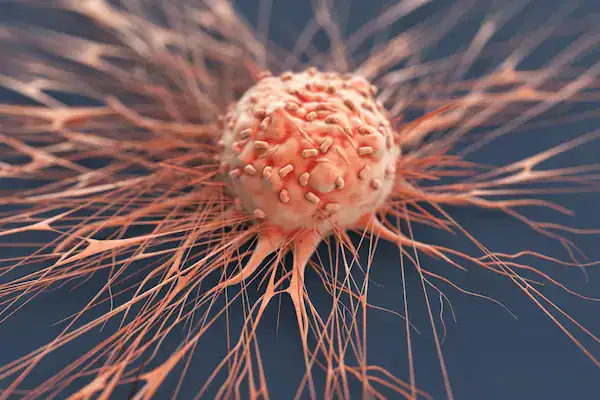
Vilon has been shown to decondense chromatin in experimental settings. This change makes DNA more accessible inside the cell nucleus and allows inactive gene regions to open. As chromatin becomes more accessible, cells gain direct access to regulatory genetic regions that control normal cellular function.
Studies also show increased activity in ribosomal gene regions after this peptide alters chromatin structure. Ribosomal genes support protein synthesis and cell regulation. By increasing access to these regions, it enhances transcription activity without changing DNA sequences, supporting its role in epigenetic regulation within experimental research.
Explore Peptide Supplies at Direct Peptides Canada for all your reconstitution requirements.
In animal studies, Vilon appears to prioritize systemic immune modulation over direct tumor tissue remodeling. Researchers observed changes in organs such as the thymus and spleen, which play key roles in immune regulation. These tissues maintained structural stability and functional balance in settings where tumors were present, suggesting that Vilon influenced systemic tissue regulation alongside tumor development.
These responses suggest this peptide modulates the microenvironment surrounding tumor growth by maintaining organ-level homeostasis. By supporting normal function in immune and regulatory tissues, it may influence how the body responds to tumors at a systemic level. Researchers interpret these findings as part of a broader regulatory role rather than a direct effect on tumor tissue.
This peptide is not the only one examined for tumor-related regulatory signals. Researchers often study it alongside other peptides to compare how different biological pathways contribute to tumor suppression
Together, these peptides help researchers explore multiple regulatory pathways involved in tumor suppression, offering broader insight into how peptide signaling may influence cancer-related processes in research.
Among these peptides, Thymosin Alpha-1 receives focused attention due to its strong association with immune regulation, which plays a central role in tumor control mechanisms.
Discover Thymosin Alpha-1 from Direct Peptides Canada, an immune-modulating peptide researched for its involvement in T-cell activity and tumor surveillance pathways.
Thymosin Alpha-1 is a 28-amino-acid peptide known to support immune regulation linked to tumor control in preclinical cancer research. It activates key immune cells such as T lymphocytes and natural killer cells, helping the body recognize and respond to abnormal cell growth signals in tumor-related studies.
Laboratory findings show that Thymosin Alpha-1 can reduce cancer cell proliferation and increase programmed cell death in cancer cell lines, often involving pathways that slow growth and support apoptosis.
While immune-focused peptides offer one perspective, other peptides attract attention for their influence on gene stability and cellular aging, areas that also intersect with tumor development.

Epithalon shows relevance to tumor suppression studies because experimental data link it to gene regulation and cellular stability. Preclinical findings suggest that Epithalon influences how cells manage replication and maintain controlled growth signals, which are key factors in tumor development research.
Animal studies also associate Epithalon with reduced tumor formation in specific experimental settings, particularly where gene expression balance and cellular aging play a role. These observations explain why researchers continue to examine Epithalon as a regulatory peptide connected to tumor suppression signals rather than as a direct tumor-targeting agent.
With multiple peptides contributing through different biological mechanisms, comparing their roles side by side helps clarify how each peptide fits within tumor suppression research.
Shop Epithalon from Direct Peptides Canada, a regulatory tetrapeptide investigated for its influence on gene expression stability, cellular balance, and tumor suppression signals.
Researchers study several peptides in tumor suppression research, but each peptide shows a distinct biological focus. The table below highlights the key differences at a high level.
| Peptide | Primary Research Focus | How It Relates to Tumor Suppression |
|---|---|---|
| Vilon | Gene regulation and chromatin structure | Influences tumor-related signals by regulating gene accessibility and transcription in preclinical cancer studies |
| Thymosin Alpha-1 | Immune system regulation | Supports immune responses linked to tumor surveillance |
| Epithalon | Gene expression stability | Associated with delayed tumor development in specific animal studies |
These differences explain why researchers examine Vilon, Thymosin Alpha-1, and Epithalon separately while studying tumor suppression signals.
As research continues to expand across these peptides, attention increasingly turns toward how this growing body of evidence may shape future investigation.
Research continues to highlight Vilon as an important regulatory peptide in tumor suppression studies, especially through its influence on gene regulation and tissue-level balance. These findings support ongoing interest in Vilon as a tool for understanding non-cytotoxic tumor control mechanisms.
Alongside Vilon, peptides such as Thymosin Alpha-1 and Epithalon expand the research landscape by addressing immune regulation and gene stability from different angles. Together, these peptides help shape future directions in peptide-based cancer research.
[1] Khavinson VKh, Anisimov VN. A synthetic dipeptide vilon (L-Lys-L-Glu) inhibits growth of spontaneous tumors and increases life span of mice. Dokl Biol Sci. 2000 May-Jun;372:261-3.
[2] Lezhava T, Khavison V, Monaselidze J, Jokhadze T, et al. Bioregulator Vilon-induced reactivation of chromatin in cultured lymphocytes from old people. Biogerontology. 2004;5(2):73-9.
[3] Barykina OP, Iuzhakov VV, Chalisova NI. Issledovanie roli peptidov v mekhanizmakh angiogeneza i formirovaniia mikrookruzheniia opukholeĭ u starykh krys [The study of peptide effect in the mechanisms of angiogenesis and forming of microenvironment of the tumors in old rats]. Adv Gerontol. 2004;13:130-42.
[4] Dominari A, Hathaway Iii D, Pandav K, Matos W, et al. Thymosin alpha 1: A comprehensive review of the literature. World J Virol. 2020 Dec 15;9(5):67-78.
[5] Anisimov VN, Khavinson VK, Provinciali M, Alimova IN, et al. Inhibitory effect of the peptide epitalon on the development of spontaneous mammary tumors in HER-2/neu transgenic mice. Int J Cancer. 2002 Sep 1;101(1):7-10.
Best Peptides for Skin Canada: A Guide to Anti-Aging Research Peptides are a growing focus in skin research because they
What Are the Potential Benefits of Selank Canada for Autoimmune Conditions? Autoimmune diseases are a collection of conditions in which

Copper Peptides for Hair Growth Canada: A Research Perspective Copper peptides for hair growth have gained attention in scientific research

What are the Best Peptides for Recovery Canada? Recovery is essential for overall health, especially for athletes or anyone healing